
Call us now :07971459253
 Send Inquiry
 Send Inquiry
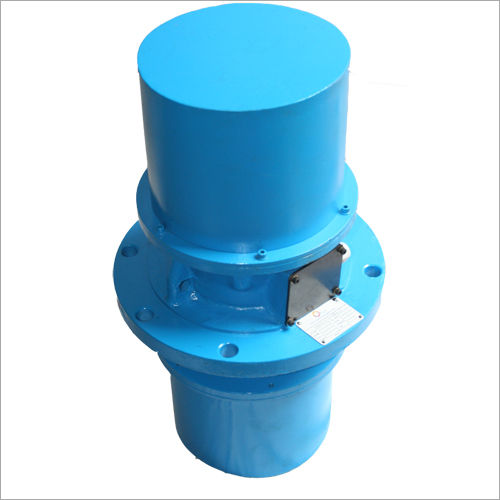
Vibrating Motors Feeder
MOQ : 1 , , Piece
Vibrating Motors Feeder Specification
- Type
- Vibratory Feeder
- Material
- Mild Steel / Stainless Steel
- Processing Type
- Automatic
- Condition
- New
- Shape
- Rectangular/Tray
- Capacity
- 50 kg/hr to 800 kg/hr
- Diameter
- Customized / As required
- Layer
- Single / Multiple
- Dimension (L*W*H)
- Customized / Standard: 1000 mm x 400 mm x 400 mm
- Power Mode
- Electric
- Voltage
- 220-240 V
- Power Consumption
- 0.5 - 2 kW
- Media
- Granules, Powder, Bulk Material
- Noise Level
- Low
- Frequency
- 50 Hz
- Application
- Feeding, Dosing, Conveying, Screening
- Coating Type
- Powder Coated
- Control System
- Manual / Automatic
- Motor Type
- Unbalance Vibrating Motor
- Vibration Amplitude
- 2-6 mm Adjustable
- Mounting
- Base Mounted
- Hopper Capacity
- Customized
- Surface Finish
- Anti-Corrosive
- Weight
- 70-180 kg (depending on model)
- Operating Temperature
- Upto 60°C
- Drive Method
- Direct Motor Drive
- Installation
- Easy to Install
- Discharge Outlet Size
- As per design
- Feeding Speed
- Variable
Vibrating Motors Feeder Trade Information
- Minimum Order Quantity
- 1 , , Piece
- Supply Ability
- 20 Pieces Per Month
- Delivery Time
- 3-7 Days
About Vibrating Motors Feeder
Vibrating Motors Feeder
Specification
| Usage/Application | Feeders, Screens, Bin Vibrators, Testing, Foundry Knock-outs, Foundry, Concrete compaction Tables, |
| Capacity | 1000 Newton to 120000 Newton |
| IP Rating | IP 55 |
| Insulation Class | F class |
| Power | <5 hp, 5-10 hp |
| Brand | PSIT |
| Phase | Three Phase |
| Speed | 2000-6000 RPM |
| Voltage | 230 /415 V |
| Mounting Type | Foot / Flange |
| Ambient Temperature | 45 |
| No of Poles | 2, 4, 6 |
Specification
| Country of Origin | Made in India |
| Voltage | 415 |
| Power | 0.18 kW to 10 kW |
| Phase | 3 |
| Brand | PSI |
| Usage/Application | Material Handling |
| Lifting Capacity | 10 TO 1000 TON/HR |
Flexible Feeding and Dosing
Our vibrating motors feeder offers exceptional flexibility, supporting a range of feeding rates from 50 kg/hr to 800 kg/hr. The device features an adjustable amplitude between 2 mm and 6 mm, variable feeding speed, and customizable discharge outlet sizes for tailored material flow in any process.
Robust and Corrosion Resistant
Constructed from mild steel or stainless steel, each unit features an anti-corrosive, powder-coated surface for enduring performance. Designed for operating temperatures up to 60C, it effectively resists wear from exposure to granules, powders, and bulk materials, ensuring reliable service life.
Easy Installation and Operation
Its base-mounted design enables simple, hassle-free installation. The vibratory feeder can be operated manually or automatically, adapting seamlessly to different process requirements. Control options allow users to fine-tune performance for efficient feeding, dosing, or screening operations.
FAQs of Vibrating Motors Feeder:
Q: How is the Vibrating Motors Feeder installed in an industrial setup?
A: Installation is straightforward due to the base-mounted design. The unit is positioned on a suitable base, and electrical connections for the 220-240 V supply are made. Customized dimensions and discharge sizes ensure compatibility with existing equipment.Q: What materials can the Vibratory Feeder handle efficiently?
A: It is designed to process a wide variety of media, including granules, powders, and bulk materials. The construction is suitable for handling abrasive or corrosive substances reliably for feeding, dosing, conveying, and screening applications.Q: When should I adjust the vibration amplitude or feeding speed?
A: Adjustment is recommended when changing material types or flow requirements. The operating amplitude (2-6 mm) and feeding speed can be modified manually or automatically based on the control system to achieve optimal material handling and process efficiency.Q: Where is this feeder commonly used in industry?
A: The vibrating motors feeder is widely deployed in industries such as food processing, chemical manufacturing, pharmaceuticals, mining, and bulk material handling, principally for feeding, dosing, conveying, and screening processes.Q: What control options are available, and how do they benefit operations?
A: The feeder supports both manual and automatic control systems. Manual controls allow on-the-fly adjustments, while automatic systems enable precise and consistent operation, boosting productivity and reducing operational oversight.Q: How does the anti-corrosive surface finish benefit long-term usage?
A: The powder-coated, anti-corrosive finish protects against rust and wear, particularly in environments with aggressive materials. This ensures the feeder maintains functionality and appearance over extended periods, even under harsh operating conditions.Q: What is the process for customizing the discharge outlet or dimensions?
A: Customization is handled during the ordering process, where clients specify required discharge outlet size, dimensions, hopper capacity, and other parameters. The unit is then manufactured to match the unique requirements of their application workflow.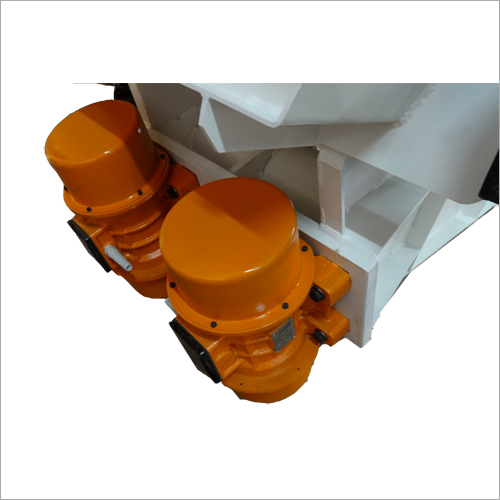
Tell us about your requirement

Price:
Quantity
Select Unit
- 50
- 100
- 200
- 250
- 500
- 1000+
Additional detail
Mobile number
Email

More Products in Vibrating Motors Category
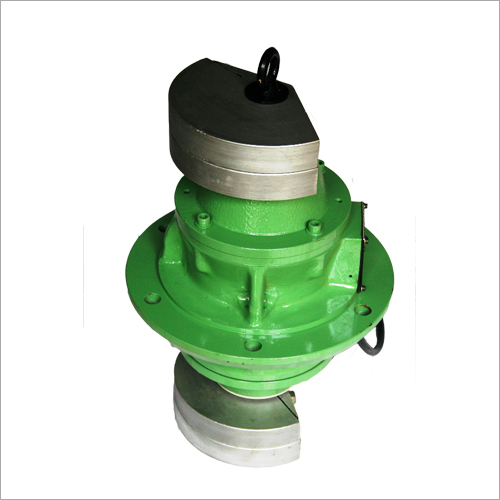
Vibrating Motor Flange Mount
Price Range 3000.00 - 30000.00 INR / Piece
Minimum Order Quantity : 1 , , Piece
Condition : New
Material : Other, Cast Iron
Processing Type : Other, Machined
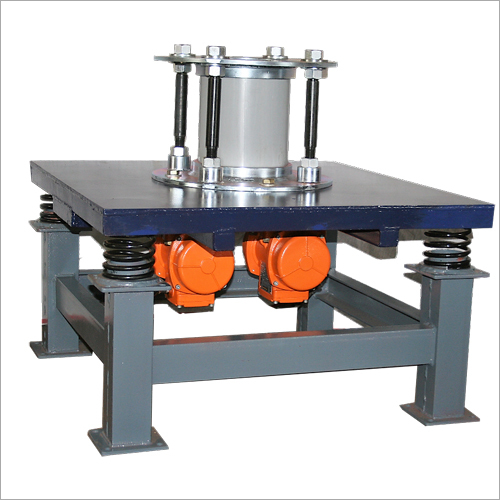
Vibration Test Table Test Jig
Price 30000.00-2000000.00 INR / Piece
Minimum Order Quantity : 1 , , Piece
Condition : New
Material : Other, Mild Steel
Processing Type : Other, Fabricated
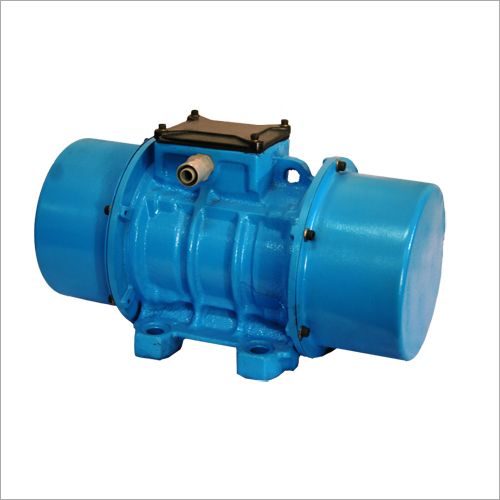
Unbalance Vibrator Motors - Foot Mounted
Price 40000 INR
Minimum Order Quantity : 1 Unit
Condition : New
Material : Stainless Steel
Processing Type : Non Standard
Un-Balance Vibrating Motors - Foot Mount
Price 60000 INR
Minimum Order Quantity : 1 Unit
Condition : New
Material : Stainless Steel
Processing Type : Standard


 Send Inquiry
Our Products


65, Govardan Garden, J C Industrial Area, Yelechenally, Kanakapura Road,Bengaluru - 560062, Karnataka, India

Mr. Prasanna
(Director)
Mobile :07971459253
 Send Inquiry
 Send SMS
Developed and Managed by Infocom Network Private Limited.
